
You train hard. You push yourself. You finish your workout feeling like you’ve done exactly what you needed to do.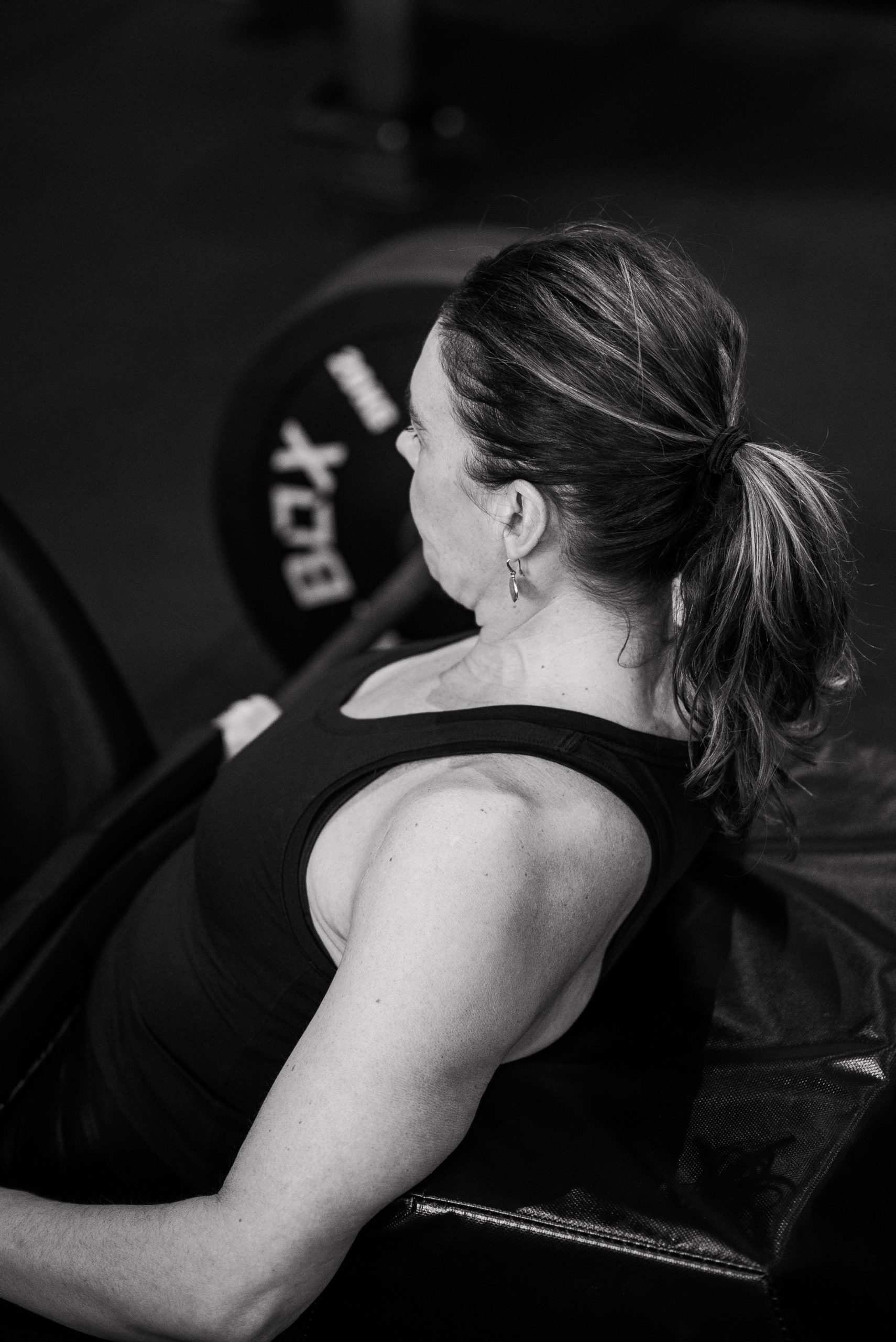
And then you expect to fall straight into a deep, restorative sleep.
But here’s the reality: Your body doesn’t work like a light switch.
You can’t just turn it ‘off’ because your workout is done.
What Happens When You Train Late
When you finish a high-intensity workout, your body is in an activated state.
- Heart rate is elevated
- Core temperature is higher
- Stress hormones (like cortisol) are still circulating
- Your nervous system is switched ‘on’
This is exactly what you want during training. But it’s the opposite of what you need for sleep and recovery.
If you go to bed too soon after this, your body hasn’t had time to shift into recovery mode.
You might be in bed… but your system is still working.
What the Data Shows
Research analysing over 4 million nights of sleep data (published in Nature Communications, 2025) found a clear pattern:
Late, high-intensity training is linked to:
- Shorter sleep duration
- Lower sleep quality
- Higher nighttime heart rate
- Lower heart rate variability (HRV)
In simple terms:
Your body stays in a stressed, activated state when it should be recovering.
Why This Matters for Results
Ladies, recovery doesn’t start when your workout ends.
It starts when your body settles.
This is when:
- Muscles repair
- Hormones regulate
- Energy systems restore
- Adaptation happens
If your sleep is compromised, your results are too.
You can train as hard as you like – but if your body doesn’t get the chance to recover properly, progress will stall.
You Can’t Override Physiology
This isn’t about willpower or discipline.
You can’t force your body to recover while it’s still in a stress response.
If your nervous system is activated:
- Melatonin release is delayed
- Sleep quality drops
- Recovery is reduced
You don’t get the full benefit of the work you’ve put in.
The Simple Fix
If you want to get the most from your training, timing matters.
✔ Leave a gap between training and sleep: Aim for 3–4 hours between your workout and bedtime where possible.
✔ If you have to train late, adjust intensity: Opt for lower-intensity sessions in the evening rather than high-intensity work.
✔ Support your wind-down: Help your body transition into recovery mode:
- Dim the lights
- Reduce stimulation
- Consider magnesium
- Use breathwork or gentle stretching
The LOKfit Approach
At LOKfit, we don’t just look at what you do.
We look at when and how your body can actually respond to it.
Because the workout starts the process, recovery (sleep!) is what delivers the outcome.
If your progress feels stuck despite effort, it might not be your training plan.
It might be your recovery.
The Bottom Line
Exercise timing isn’t just preference it’s physiology.
Train hard, absolutely. But protect your recovery just as much. Because real results don’t come from doing more. They come from doing what your body can actually adapt to.